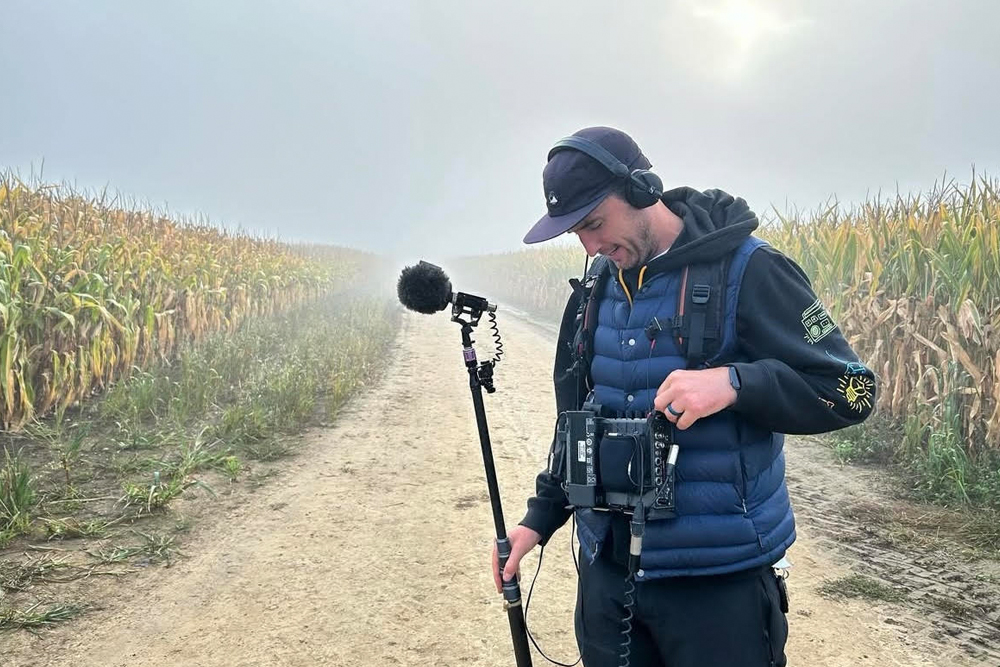
Dominique Greffard, a Montreal-based production sound mixer, has been working for over two decades, recording television, film, commercials, and everything in between. But when the pandemic hit, he pivoted from passion to strategy, transforming his experience with Zaxcom into the backbone of two successful companies.
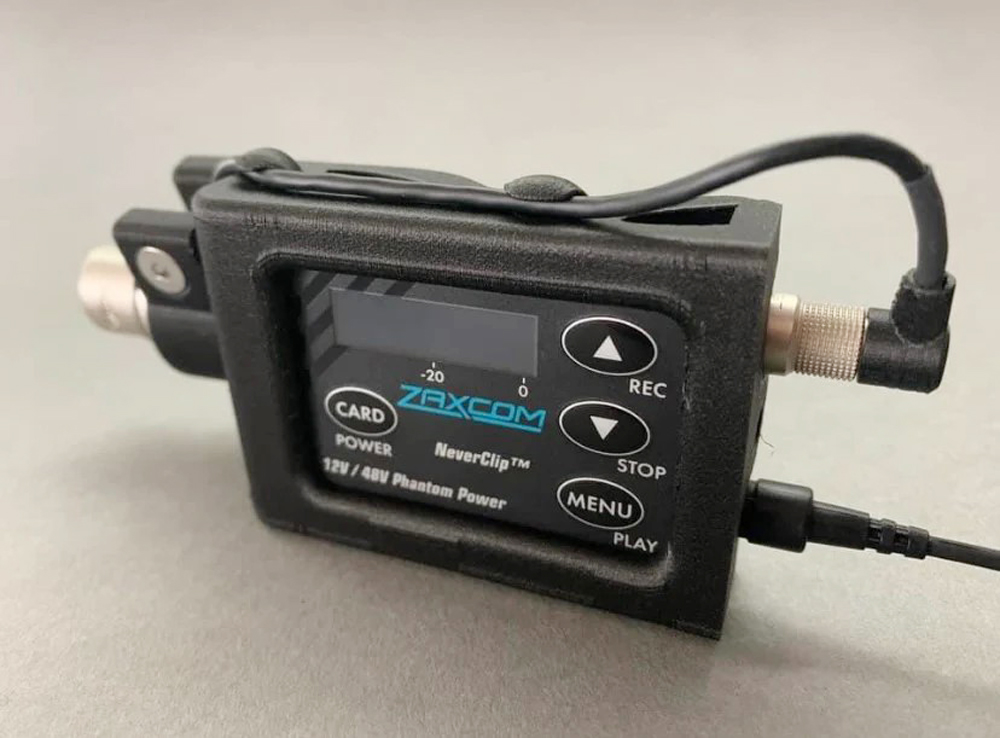
“For the first time in years I had time on my hands, so I started to dabble in 3D printing and created a customized frame that turned my Zaxcom ZMT4 transmitter into a wireless stick microphone. I eventually put it online and it started to sell right away. Shortly after, a sound mixer from Australia asked me to make a boompole plug-on adapter for the ZMT4, which I did, and it became a huge hit. All this kinda snowballed into creating an accessory company,” says Greffard.
Nylon Industries has become a go-to shop for the Zaxcom community looking to accessorize gear. The catalog includes caddies, belt-clips, neoprene sleeves, specialty harness clips, and the popular ZMT Plug-on Adapter that allows the Zaxcom ZMT3-Phantom, ZMT3-Phantom2, and ZMT4 transmitters to attach to a boom pole without the addition of screws. “The thing I like the most is helping other mixers to create solutions that make their workflow easier. That’s what it’s all about because you want to wake up and not worry about the gear,” notes Greffard. “We’ve been very proud to represent the community and serve clients worldwide.”
Greffard admits he didn’t set out to make a career as a sound mixer. He worked in music and was a DJ for years but it was a friend in the film business who gave him a job as a production assistant. Then on a day the sound recordist wasn’t available, he was put in front of the machine. “Luckily, I didn’t mess anything up. But the experience led me to buying my first kit,” he recalls. Eventually, he graduated to larger projects, known in Quebec as “magazine TV,” which are mainly cooking shows, renovation shows, reality, and educational programming. “Honestly, the timing was very good because there was a lack of people in the business back then. And the TV and film scene in Montreal is strong because of the local language requirements [French-Canadian/English] so there’s a lot of production going on,” he admits.
It wasn’t until the release of the Zaxcom Nomad in 2011 when Greffard made the switch from his old kit to digital. “I really liked that machine and thought the preamps sounded very, very good. But what impressed me the most was the versatility and also the weight of the equipment. It’s crucial when standing on your feet holding a bag on long days,” he says.
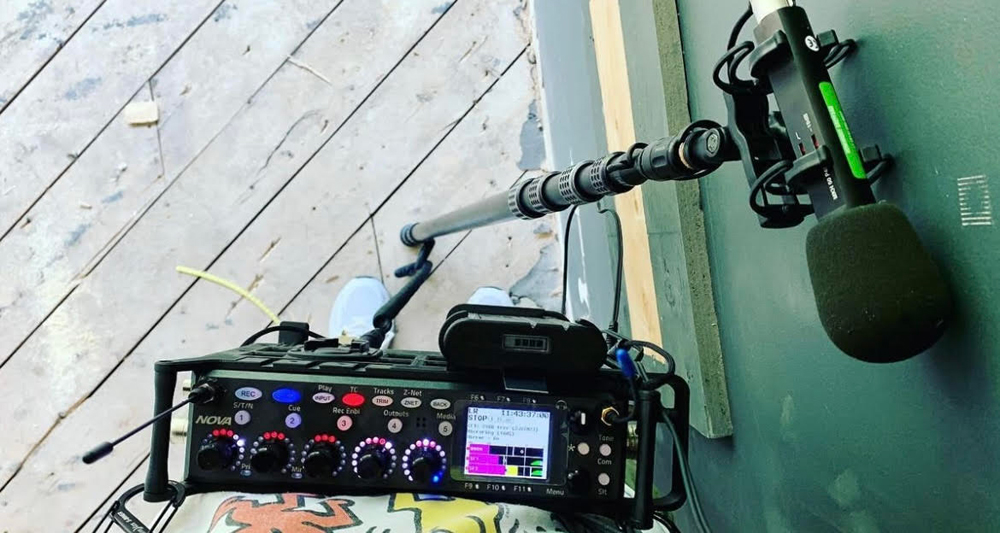
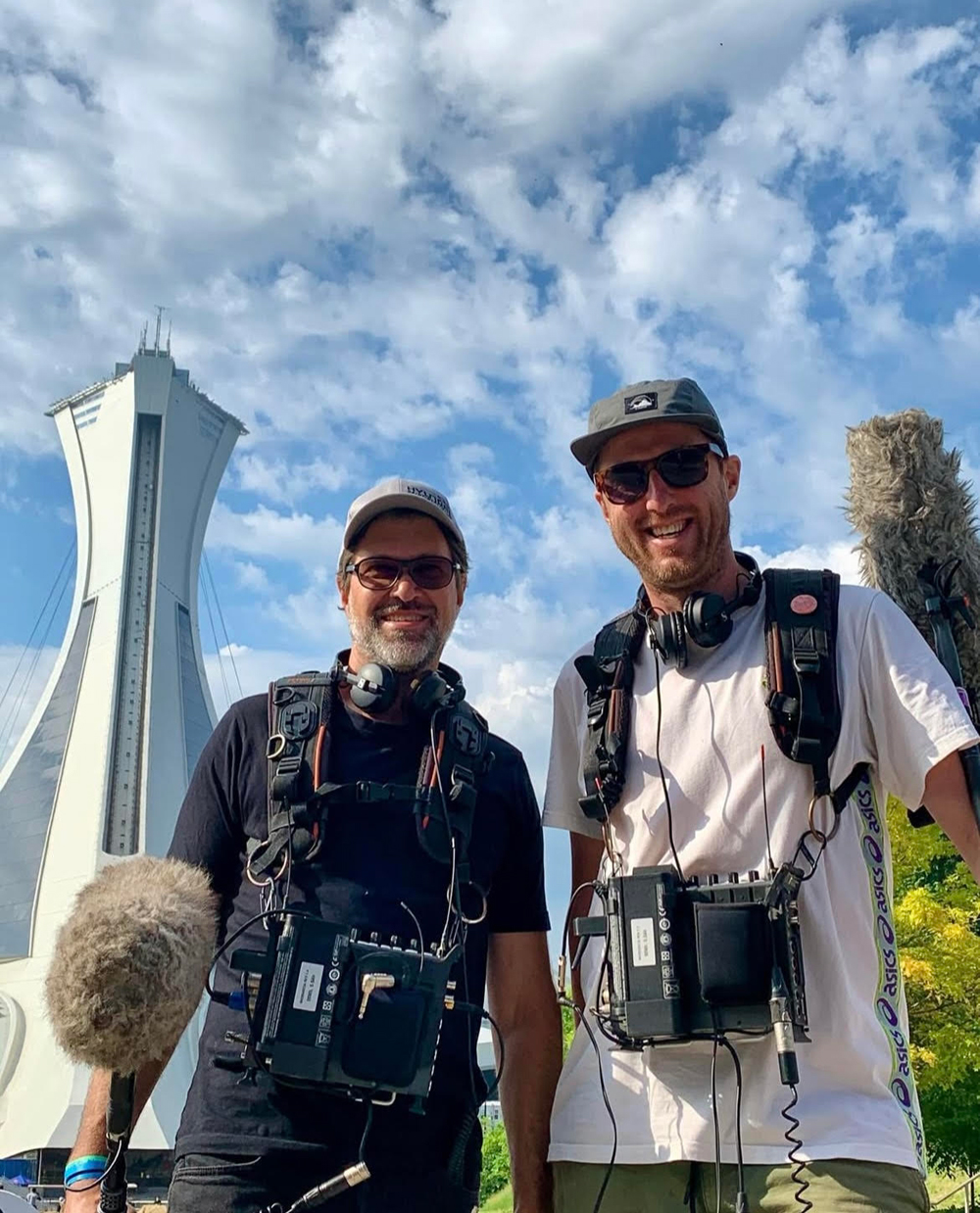
The switch to Zaxcom led him to another savvy business move: starting a production sound company with fellow sound mixers Stéphane Carreau and Thomas Malenfant-Gilbert. “We’re three sound mixers and we’ll work on the same or different projects but the equipment goes from one project to the next so everything is cross-compatible, the wireless is swappable, and best yet, all the recordings have the same high quality sound.” Greffard and his team own three Zaxcom Nova, a 16 track digital mixer-recorder that integrates up to 8 wireless signals in a portable package (Nova 2 is its successor). “When I first saw Nova, I knew I had to get it. It would allow me to have a very lightweight yet very powerful bag with quality preamps, plenty of wireless, dual recording, and all the bells and whistles you want in a recorder. To this day, nothing touches this setup in terms of capability, size, and weight on the market.”
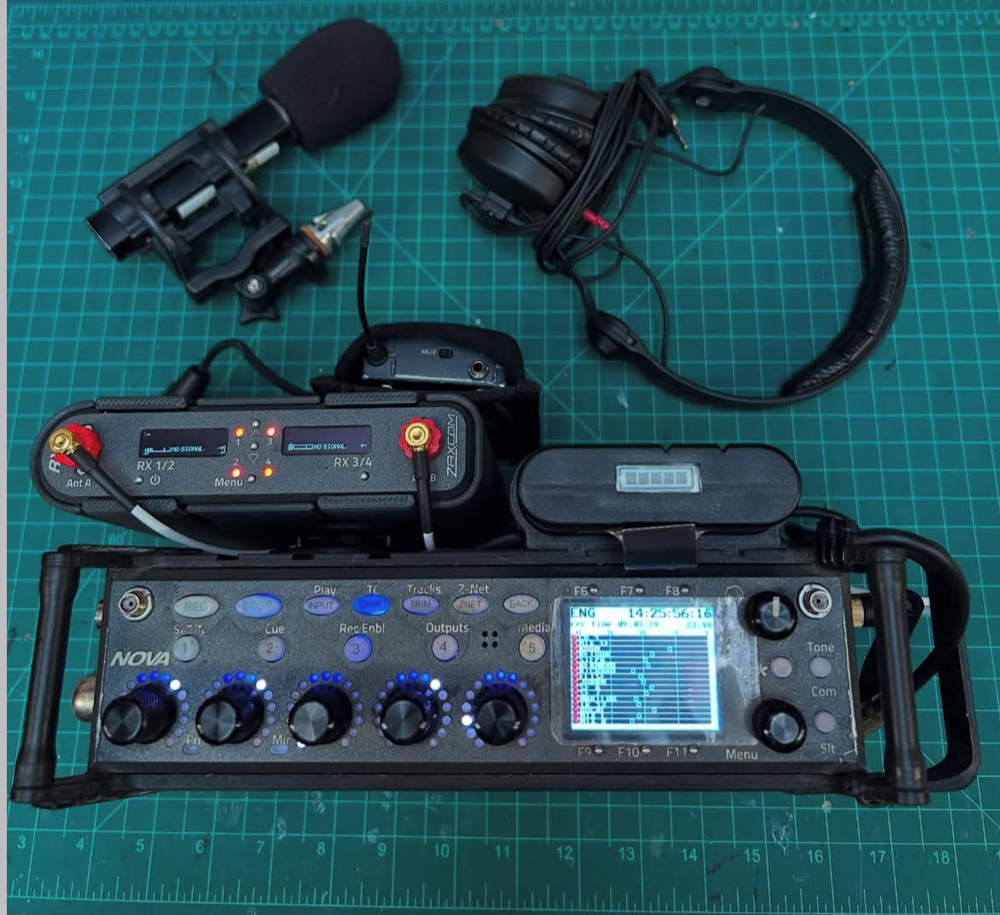
3 MRX414 via AES though the DB25 port
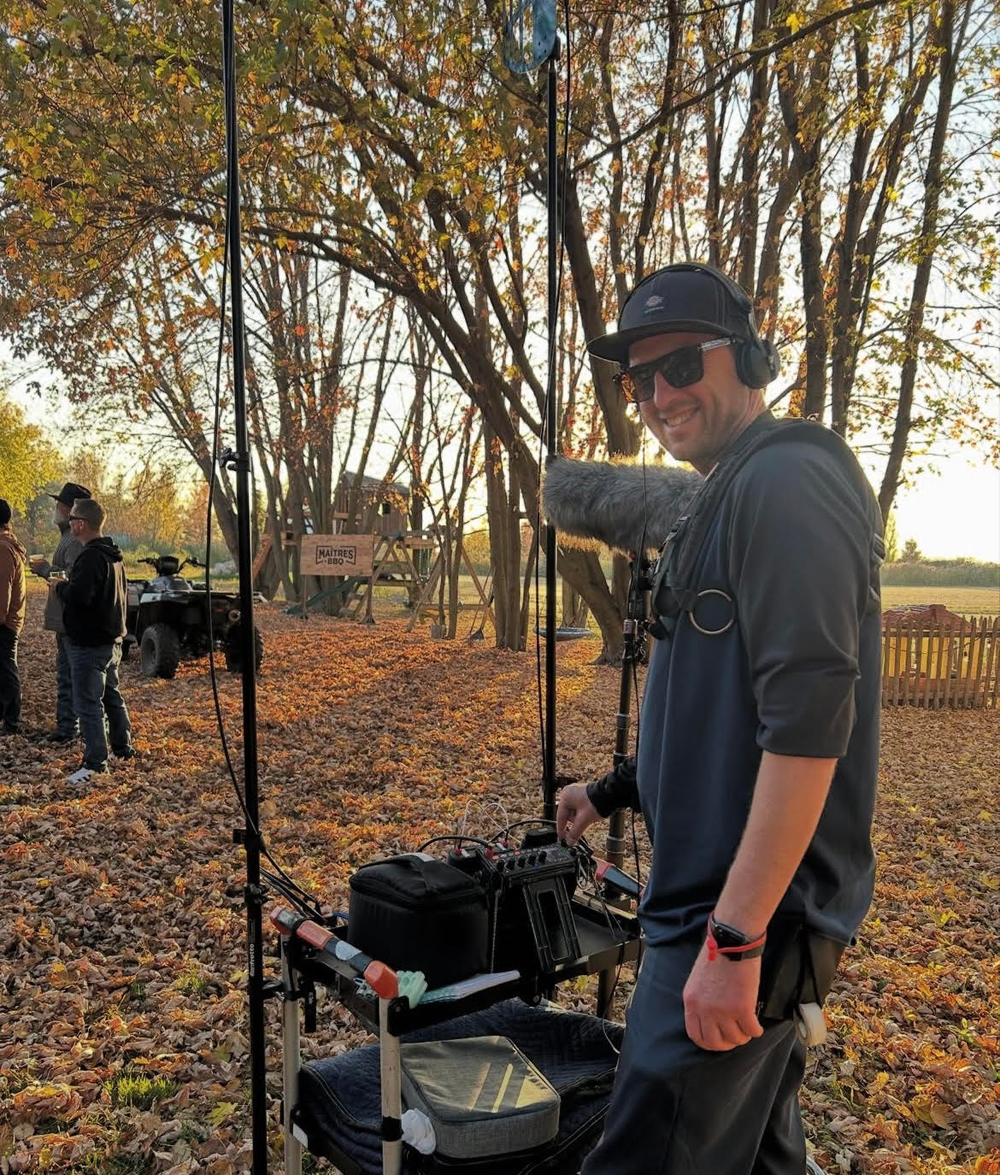
One project is the reality show Le Maître du Grill (The Grill Master), a series about cooking, recipes, and grilling techniques hosted by culinary writer Steven Raichlen. “The show is filmed completely outside during the fall in Quebec with up to 11 people wearing wireless microphones. We’re pretty much constantly recording and cameras shooting in all directions, so I had to push the boundary of the Nova, adding an extra four channel receiver on top of it to make it a 12 channel receiver. It was really maxed out,” he says. “But the workflow turned out to be very good and it worked very well for what I had to do.”
Greffard’s approach to recording sound includes dual recording on the Nova, using the simultaneous recording feature on Zaxcom transmitters when needed, and adjusting transmitter settings remotely via ZaxNet. His kit includes 20+ Zaxcom transmitters, mostly TRXLAs and ZMTs, MRX414s receivers, DPA 4061 lavs, Sennheiser MKH50s for interior, Sanken CS-3e for exteriors, Sennheiser EW 300 IEMs for IFB, and Tentacle Sync E units to sync timecode. Customized Olympia folding carts create a home base. Also streamlining the kit is a Nova Feather Rig from Simon Bellemare, a Quebec mixer who designs secondary accessories. “Simon is an absolute genius. He prints parts and makes all the cables himself and his stuff has helped me push the boundary in what I do. The cooking show setup basically revolves around using the Feather Rig.”
Recording the BBQ series Greffard notes, “We would roll about 32GB of sound per day, which is between four and ten times the amount I usually do and the Nova performed flawlessly. And what I enjoy most about this system is that I can scan my frequencies, turn everything on, and send the frequencies to the wireless transmitters remotely at a snap of a finger through ZaxNet. It happens automatically all in one shot. If you have to do that manually it can take a very long time and can be extremely difficult.” Another game changer for him is being able to adjust the gain on the transmitter without talent noticing. “If the talent is going from a whisper to a scream, we’re able to modulate our transmitter on the talent, creating the ideal gain stage which is absolutely ideal in our role as sound mixers,” he says.
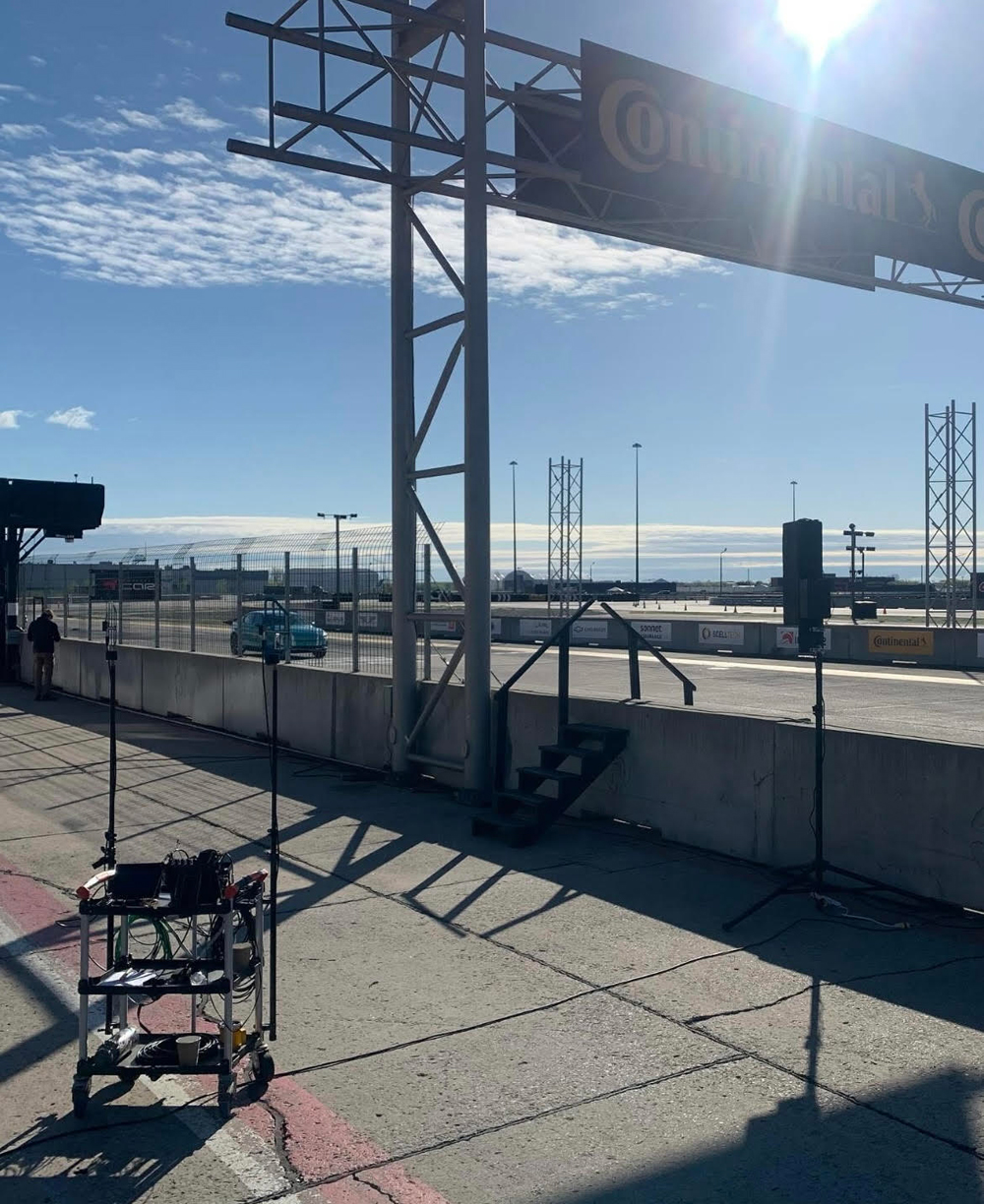
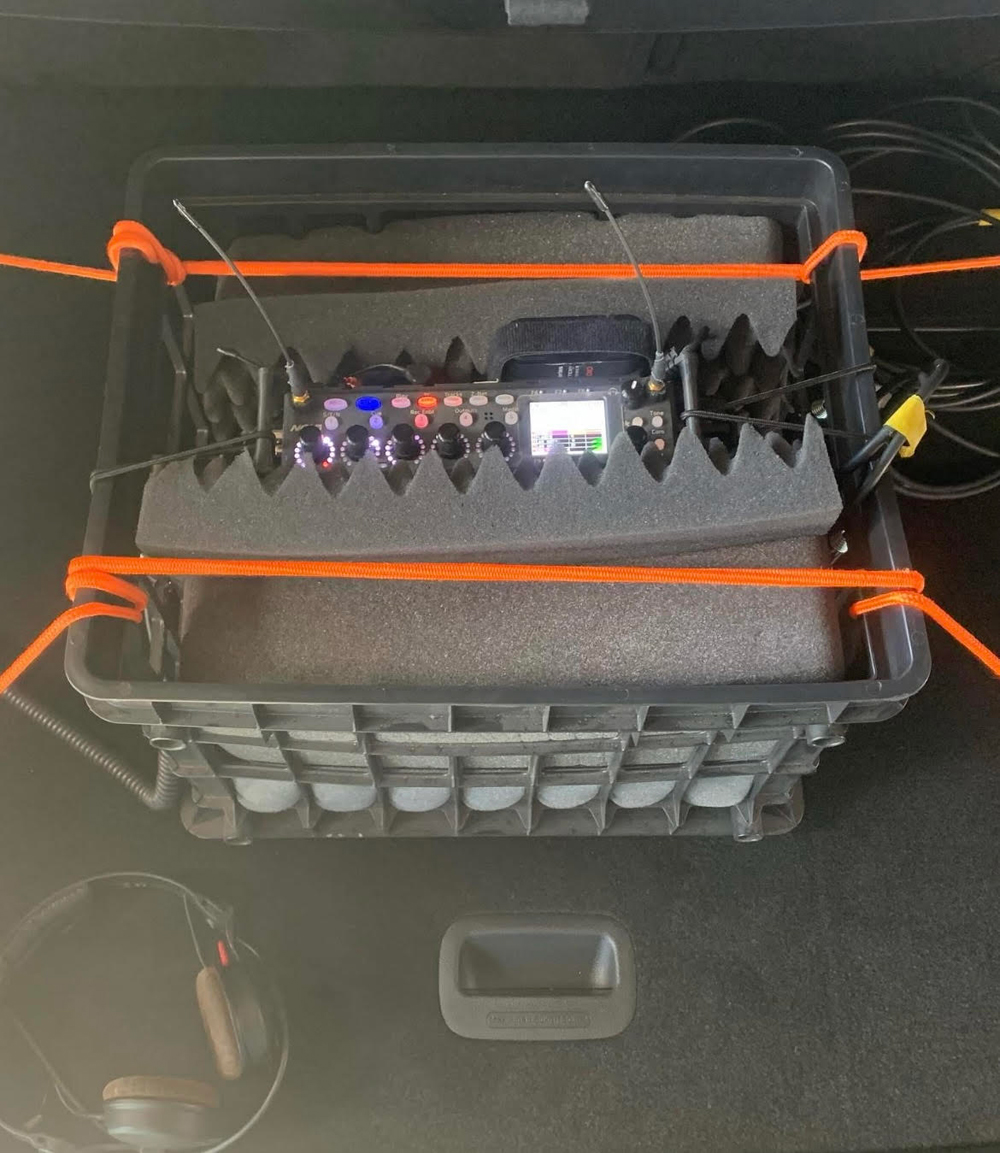
Another challenging project is the celebrity auto series, L’Academie du Guide de l’auto (The Car Guide Academy). “The concept of the show has the talent speaking while racing at high speeds on a race track in various cars,” he says. “It’s in its fourth season and we rely heavily on the internal recording feature on Zaxcom transmitters. We’ll approach the recording one of two ways. We’ll either strap a Nova in the trunk with the talent wired or we’ll remove the Nova and rely on the transmitter’s internal recording only. We’ve had up to 8 rolling transmitters at the same time. We could confirm visually from the Nova that the transmitter packs were recording before letting the race start. It’s definitely a high pressure situation because there are a lot of “blind” recording moments when you cannot monitor in real time. Then with ZaxConvert, it makes it a breeze to grab the files at the end of the day.”
As a Zaxcom user Greffard for over 15 years he’d love to see future additions to the ecosystem. “People have been asking for a Zaxcom slate for years now. It would be great because we could jam wirelessly and visually identify the take/scene remotely from Nova. Apart from that, it’s been a blessing to work with the gear. I love my setup. It’s been very reliable and I’ve never lost a take.”